The application of GN mining vibrating screens in domestic iron ore projects represents a significant advancement in processing technology, addressing long-standing industry challenges related to efficiency, precision, and operational cost. This analysis focuses on the specific deployment of two key models: the GNLSP3073 Large Linear Vibrating Screen (1 unit) and the GND5Z1014 Stack Vibrating Screen (4 units), within a contemporary iron ore processing operation.
The GNLSP3073 Large Linear Vibrating Screen is engineered for high-capacity, coarse to medium separation duties, such as scalping run-of-mine ore or sizing crushed material before beneficiation. Its design is predicated on a dual-motor, self-synchronizing drive system that generates a forceful, linear motion. This motion ensures consistent material travel across the full width of the screen deck, promoting high throughput and effective stratification of particles. The robust construction, utilizing high-strength alloy steel plates and a non-welded sidewall design, is critical for withstanding the high-impact loads and continuous vibration inherent in iron ore processing. This structural integrity directly translates to extended service life and reduced maintenance downtime. For iron ore applications, this screen is typically employed after primary or secondary crushing to efficiently remove fine material or to produce a controlled feed size for downstream grinding circuits, thereby optimizing overall plant capacity.
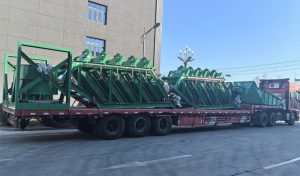
In contrast, the GND5Z1014 Stack Vibrating Screen, deployed here as a battery of four units, is designed for precision classification and high-efficiency dewatering of finer iron ore fractions. Its defining feature is the multi-layer, vertically stacked deck configuration. This design allows a single machine footprint to accommodate up to five independent screening surfaces, each with a progressively finer aperture. Material is fed to the top deck, with each layer performing a distinct separation. This setup is exceptionally effective for the complex grading of iron ore, particularly for particles below 10mm. It enables a single feed stream to be accurately separated into multiple, tightly defined product fractions—such as -5mm, -2mm, -0.5mm, and -0.1mm—in one pass. This precise classification is fundamental to modern beneficiation processes like magnetic separation or flotation, where consistent feed particle size directly impacts mineral liberation and recovery rates. The use of flexible polyurethane screen panels on these decks is a key performance differentiator. Their high open area, combined with inherent anti-blinding and wear-resistant properties, maintains screening accuracy over long periods when processing damp, sticky, or abrasive fine iron ores, a common challenge that severely degrades the performance of traditional wire mesh screens.
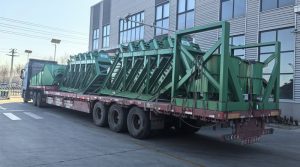
The operational synergy between the large linear screen and the stack screens creates a highly efficient flowsheet. The GNLSP3073 acts as a primary workhorse, handling the bulk of the volumetric load and removing a significant portion of waste or oversize material. The prepared feed is then directed to the battery of GND5Z1014 stack screens for the critical, high-precision grading stage. This staged approach maximizes the strengths of each technology: high-volume processing followed by multi-product precision separation. The result is a system that delivers superior overall screening efficiency, often exceeding 90%, compared to legacy setups using multiple single- or double-deck screens in series. This high efficiency directly boosts the recovery of valuable iron minerals and lowers the tailings grade.
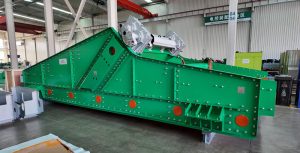
Beyond separation performance, these GN models incorporate features that address broader operational and environmental mandates in the mining sector. The stack screens’ compact footprint is a major advantage in brownfield plant upgrades or space-constrained sites, as they provide the capacity of several conventional screens in one unit. Both screen types are equipped with high-performance rubber isolation springs that effectively dampen transmitted vibrations, reducing structural loads on supporting infrastructure and minimizing operational noise. Furthermore, the stack screens are highly effective for dewatering applications. When configured for this duty, their multiple decks and controlled vibration parameters facilitate efficient drainage of water from fine iron ore concentrates or tailings slurries. This capability supports the industry-wide push toward tailings dry stacking, reducing water consumption, minimizing environmental footprint, and improving dam safety.
The selection of these specific models—one large linear and four stack screens—indicates a project designed for substantial throughput with an emphasis on sophisticated, multi-product classification. This configuration suggests the processing of a complex ore body where maximizing yield and product quality from various size fractions is economically critical. The proven reliability of GN’s drive systems, structural design, and wear components ensures high system availability, which is paramount for continuous mineral processing operations where unplanned stoppages incur significant production losses.
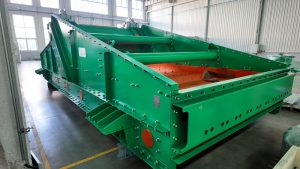
In conclusion, the integration of GN’s GNLSP3073 Linear Vibrating Screen and GND5Z1014 Stack Vibrating Screens provides a technically robust solution for modern iron ore projects. This equipment combination directly tackles core industry needs: achieving high throughput and precise particle size control, reducing plant footprint and energy consumption, enhancing equipment longevity, and facilitating environmentally responsible water management. The successful deployment of these systems underscores a shift toward more efficient, reliable, and intelligent screening technologies as foundational elements for improving the economics and sustainability of iron ore beneficiation in the domestic market.